

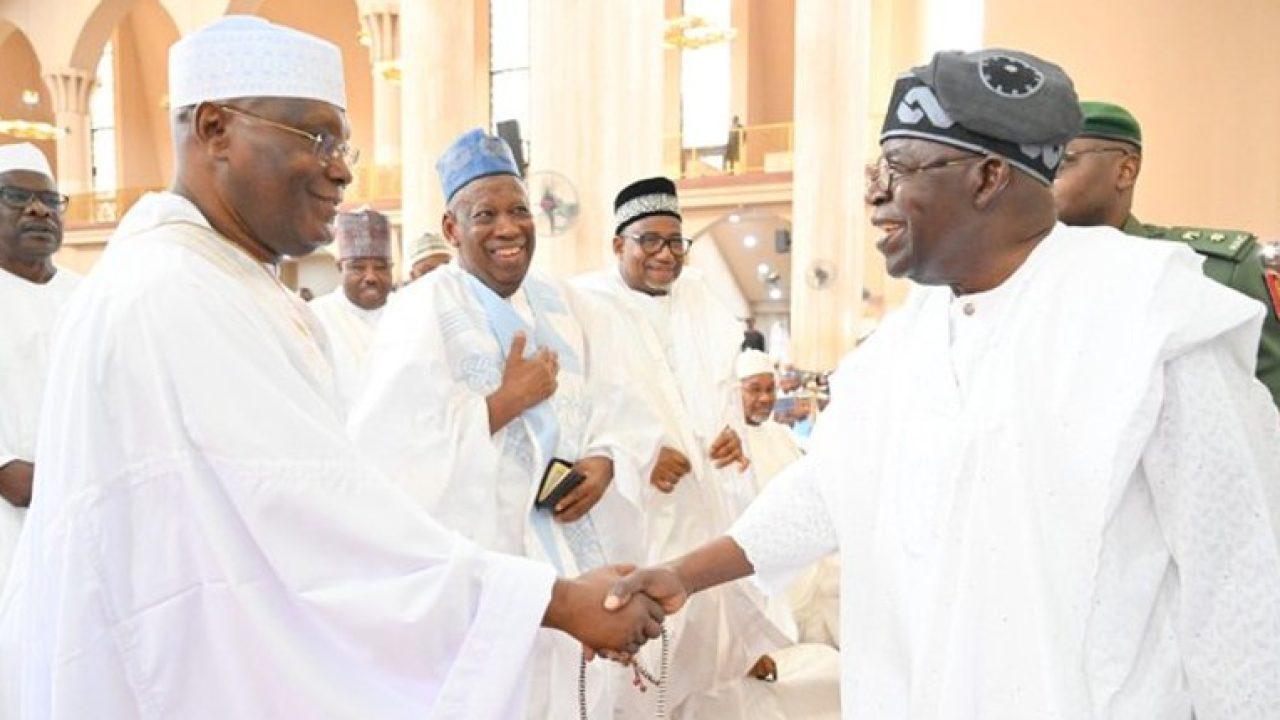
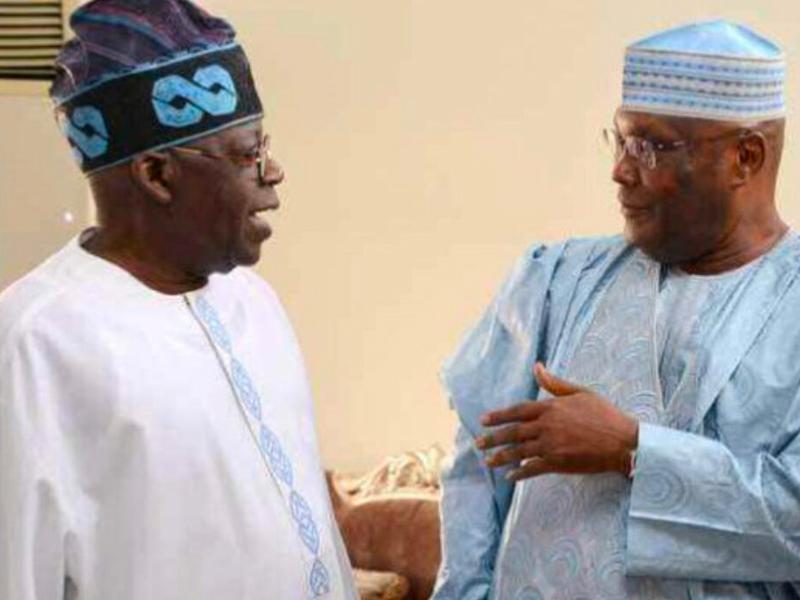
The economic battle between President Bola Tinubu and former Vice President Atiku Abubakar is intensifying as Nigeria approaches the 2027 presidential election. Atiku has criticised the government's borrowing, investment climate and economic reforms, while Tinubu's allies maintain that the administration's policies are laying the groundwork for long-term growth. The clash is putting Nigeria's economy firmly at the centre of the emerging presidential contest.
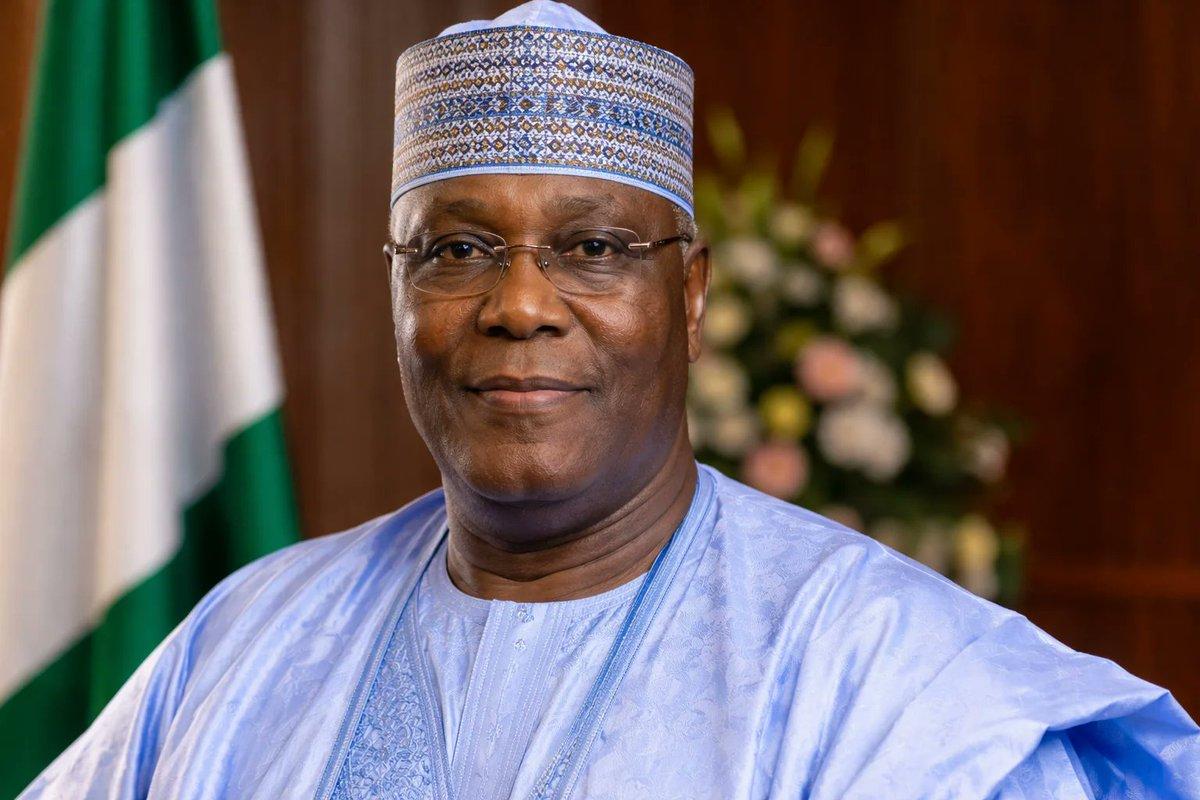
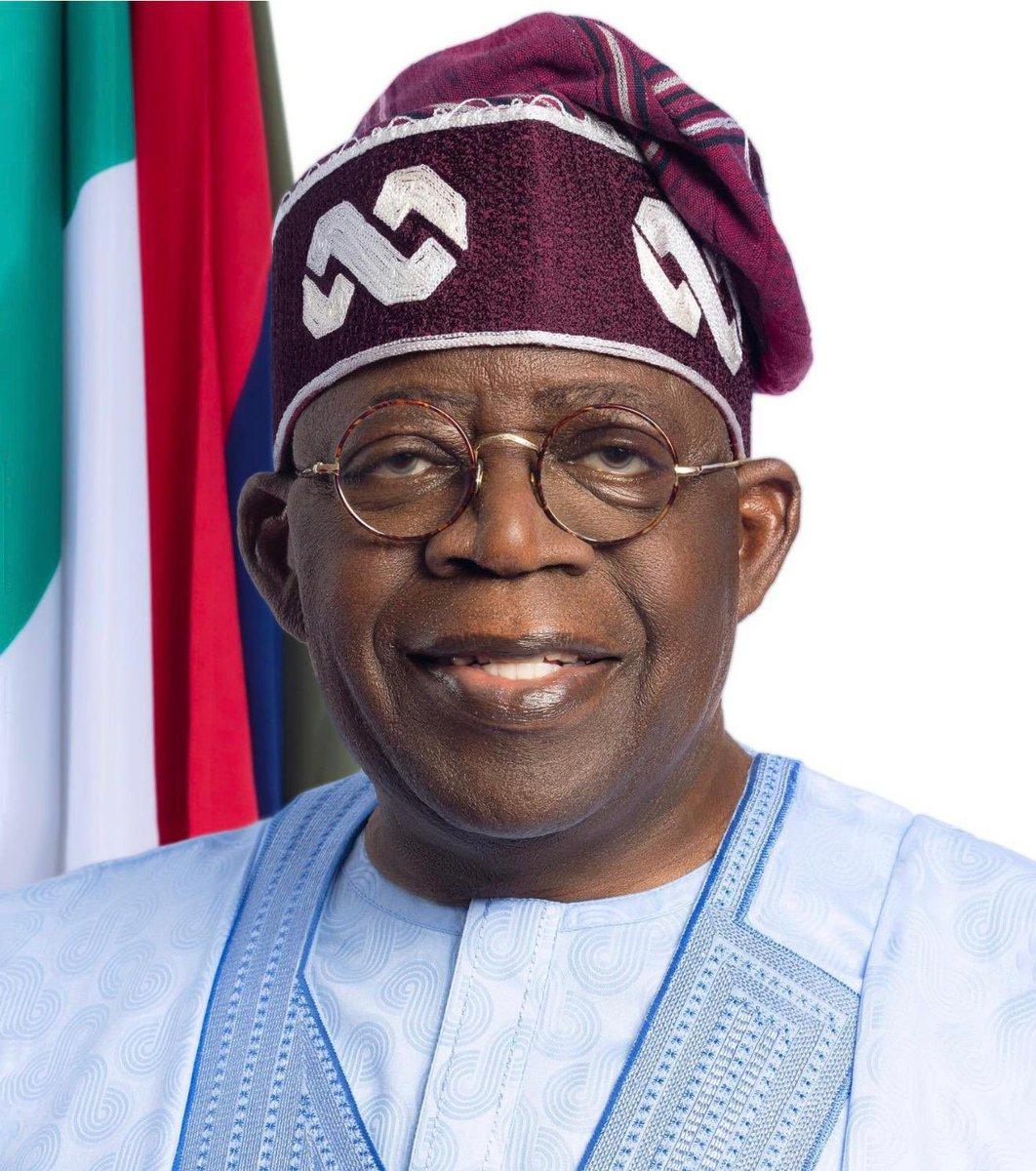
Former Vice President Atiku Abubakar has stepped up his criticism of President Bola Tinubu’s economic policies, accusing the Federal Government of worsening pressure on Nigerian businesses and failing to translate higher government revenues into meaningful relief for citizens. The Presidency and Tinubu’s allies, however, continue to defend the administration’s reforms and argue that the measures are laying the foundation for long-term economic growth.
The political debate over Nigeria’s economy has intensified as the country moves closer to the 2027 presidential election. Atiku, who is now the presidential candidate of the African Democratic Congress (ADC), has increasingly focused his criticism on the impact of the Tinubu administration’s economic programme on businesses, investors and ordinary Nigerians.
In recent statements, Atiku has argued that Nigeria is experiencing a crisis of confidence under the current administration. He has pointed to capital outflows, pressure on businesses and the government's borrowing as evidence, in his view, that the reforms have not delivered the expected economic benefits.
Atiku recently criticised the Federal Government's domestic borrowing, claiming that ₦24.7 trillion was borrowed from the domestic market between January and August 2026. He argued that increased borrowing could make it more difficult for private businesses to access credit and could contribute to job losses and higher economic pressure.
He has also questioned why the government continues to borrow heavily despite the removal of fuel subsidies, increased nominal government revenues and higher crude oil prices.
The Tinubu administration and its supporters have rejected the criticism, maintaining that the government's reforms are necessary to address longstanding structural weaknesses in Nigeria's economy.
Government officials have repeatedly defended measures including fuel subsidy removal, exchange-rate reforms and efforts to increase investment and economic productivity. The Federal Government has also maintained that its reform programme is designed to create the conditions for stronger and more sustainable economic growth.
President Tinubu has continued to argue that his administration's reforms are producing important economic changes and has linked the programme to the government's long-term ambition of building a $1 trillion Nigerian economy by 2030.
The increasingly heated exchange between Atiku and Tinubu's camp is taking place as economic issues move to the centre of political debate ahead of the 2027 presidential election.
For many Nigerians, the most important questions remain practical: whether reforms will reduce the cost of living, improve access to jobs and credit, strengthen businesses and attract investment.
With the election approaching, both sides are likely to continue presenting competing interpretations of Nigeria's economic situation and different proposals for the country's future.
The disagreement between Atiku and Tinubu goes beyond political personalities. It reflects a broader debate about whether Nigeria should continue with the current reform programme or pursue a significantly different economic approach.
Atiku has positioned himself as a critic of the administration's economic direction, while Tinubu's government maintains that difficult reforms are necessary to put the economy on a stronger footing.
As political campaigning gathers momentum, the economic record of the Tinubu administration is expected to remain one of the most closely contested issues of the 2027 election.

Random picks from the trusted NACO network — explore their profiles and equipment.
