

Nigeria’s National Assembly has suspended official visits to South Africa and ordered a boycott of South African-hosted legislative activities following continued reports of xenophobic violence against Nigerians and other African nationals. The move highlights growing concerns over the safety of Nigerians and puts renewed diplomatic pressure on South Africa to address anti-migrant violence.
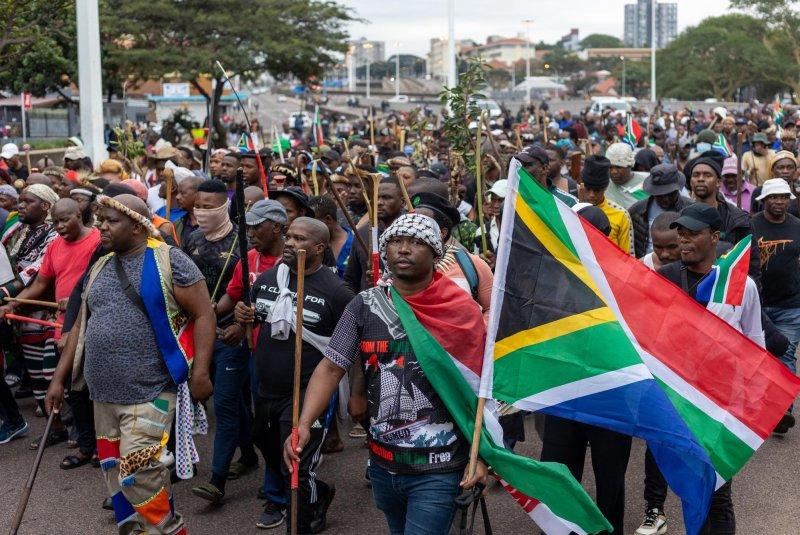
Nigeria’s National Assembly has suspended all official visits to South Africa and ordered lawmakers to boycott legislative activities hosted or organised by South African authorities, following renewed concerns over anti-migrant violence targeting Nigerians and other African nationals.
The decision, announced on September 11, 2026, followed consultations between the leadership of the Senate and the House of Representatives. The suspension applies to lawmakers, parliamentary committees, officials and staff of the National Assembly and will remain in place until further notice.
According to the National Assembly, the move was prompted by reports of Nigerians being killed, injured, displaced and forced to abandon their homes, businesses and investments because of recurring xenophobic attacks in South Africa.
The boycott extends beyond physical visits. Nigerian lawmakers are also barred from participating in conferences, seminars, workshops, parliamentary meetings and legislative exchanges organised, hosted or sponsored by South African legislative institutions, including virtual engagements.
Nigeria’s latest action reflects growing frustration over repeated attacks against foreign nationals in South Africa. Nigerian officials have raised concerns about the ability of South African authorities to adequately protect Nigerians and other African migrants from xenophobic violence.
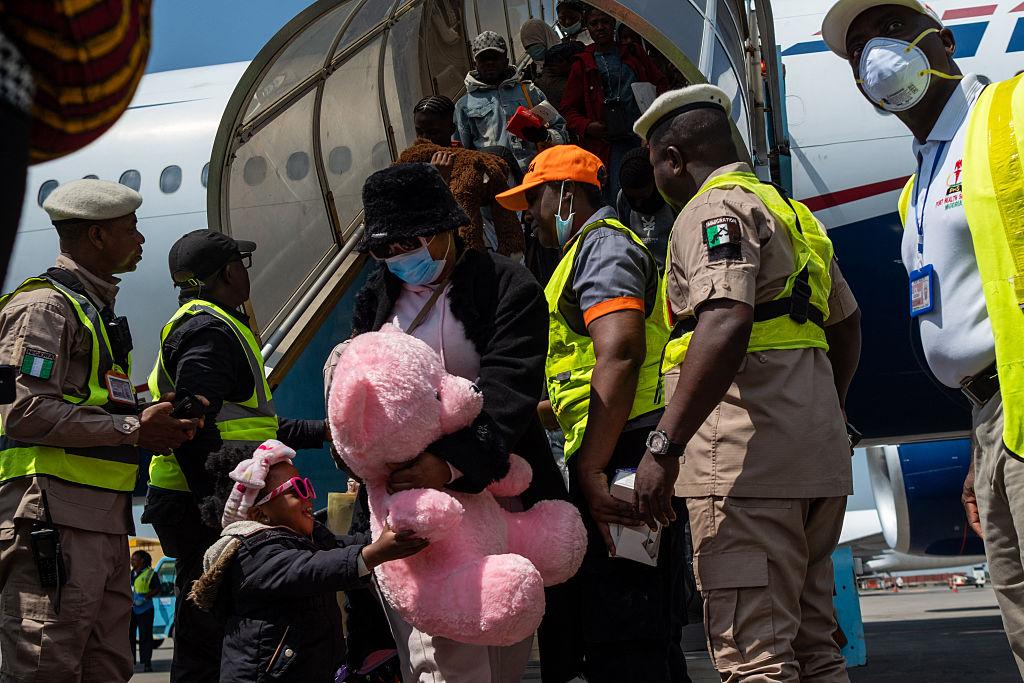
Reuters reported that Nigerian officials say 98 Nigerians have died in mob and hate-related incidents in South Africa since 2022. In 2026 alone, 1,695 Nigerians have reportedly been voluntarily evacuated from South Africa amid xenophobia-related tensions.
The situation has added pressure to diplomatic relations between two of Africa’s largest economies, which have historically maintained extensive political, economic and people-to-people ties.
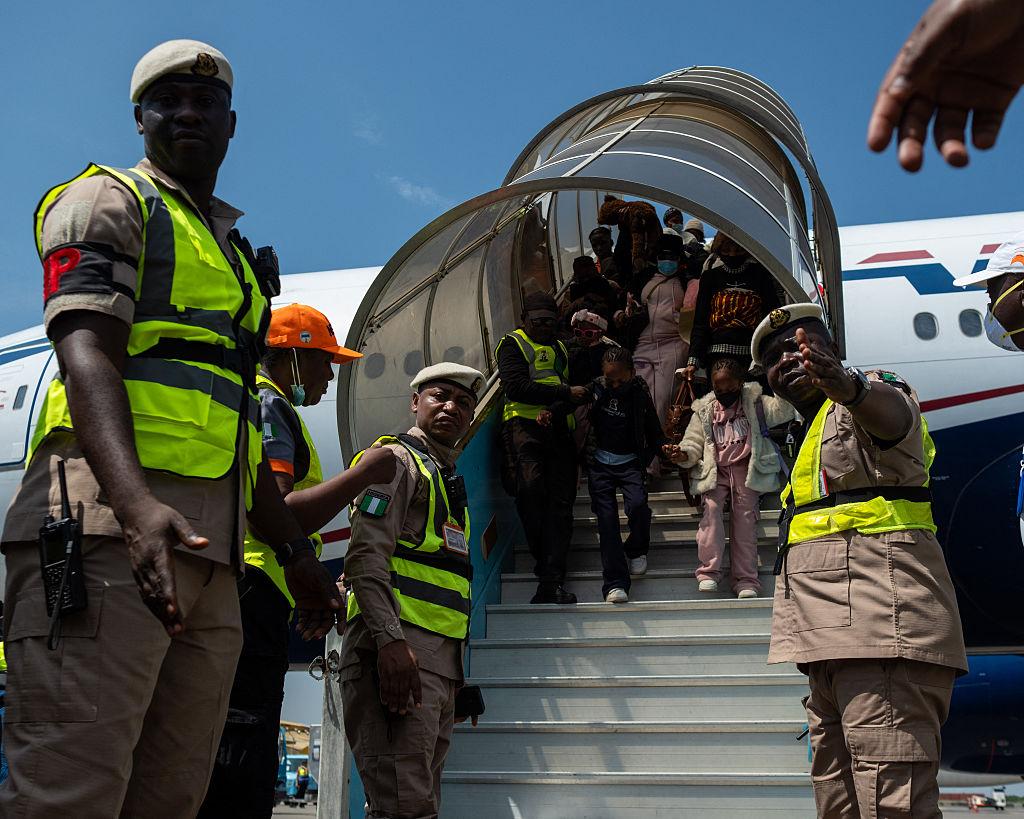
Although the parliamentary boycott represents a significant diplomatic signal, the National Assembly stressed that the decision was not intended to undermine the longstanding relationship between Nigeria and South Africa. The restriction specifically targets parliamentary engagements with South African legislative institutions.
South African officials have described Nigeria’s decision as unfortunate, while maintaining that the latest move has not, at this stage, disrupted broader bilateral relations.
The Nigerian government has also previously engaged South African authorities over the safety of Nigerians and has supported efforts to evacuate citizens affected by the violence.
The suspension puts additional pressure on South Africa to address concerns over xenophobia and the protection of foreign nationals. It also highlights the growing demand from Nigeria for stronger action against those responsible for attacks on Nigerians.
For Nigerians living and doing business in South Africa, the parliamentary action is likely to renew attention on security, protection of property and the need for effective measures against anti-immigrant violence.
As both countries seek to maintain their broader diplomatic and economic relationship, the protection of Nigerians in South Africa remains a major issue that could influence relations between Abuja and Pretoria in the months ahead.


Random picks from the trusted NACO network — explore their profiles and equipment.
