
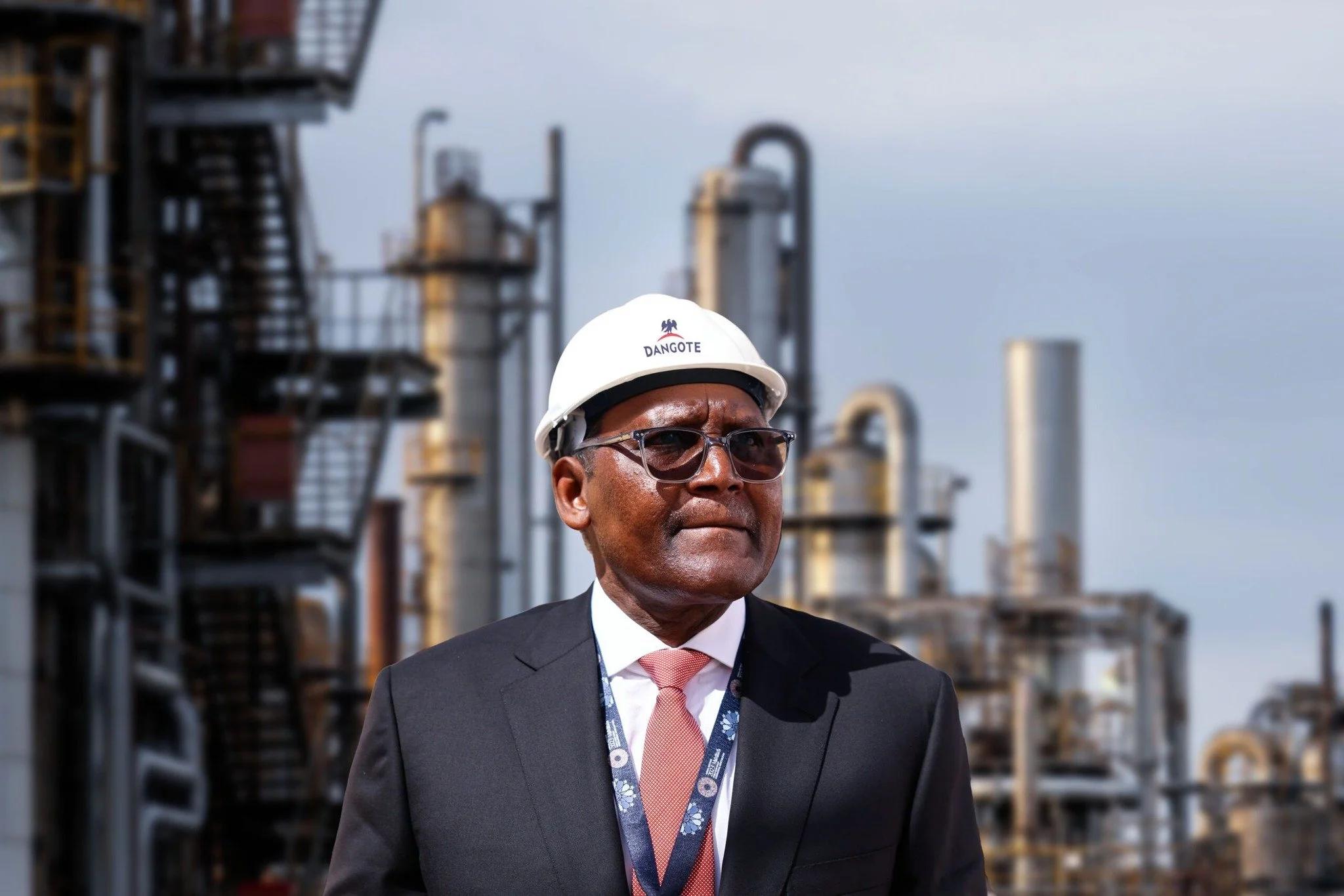
Dangote Refinery has announced a $14.3 billion expansion plan that will double its refining capacity from 700,000 barrels per day to 1.4 million barrels per day by 2029.
The ambitious project comes as the refinery prepares for a major IPO expected to attract widespread investor interest. The expansion could further reduce Nigeria's dependence on imported petroleum products while strengthening the country's position as a major exporter of refined fuel and petrochemical products.
With its growing role in Nigeria's energy sector, Dangote Refinery's next phase could reshape the country's refining industry and create new opportunities across Africa's energy and industrial markets.
By Mayor plugs | September 2026
Nigeria's Dangote Petroleum Refinery is preparing for another major phase of expansion, with the company announcing a $14.3 billion investment plan to double its refining capacity from 700,000 barrels per day to 1.4 million barrels per day by 2029.
The ambitious expansion was announced as the refinery moves forward with plans for an initial public offering (IPO) that is expected to become one of Africa's largest. The proposed expansion could further strengthen Dangote Refinery's position in Nigeria's energy sector while increasing the country's capacity to produce refined petroleum products for domestic and international markets.
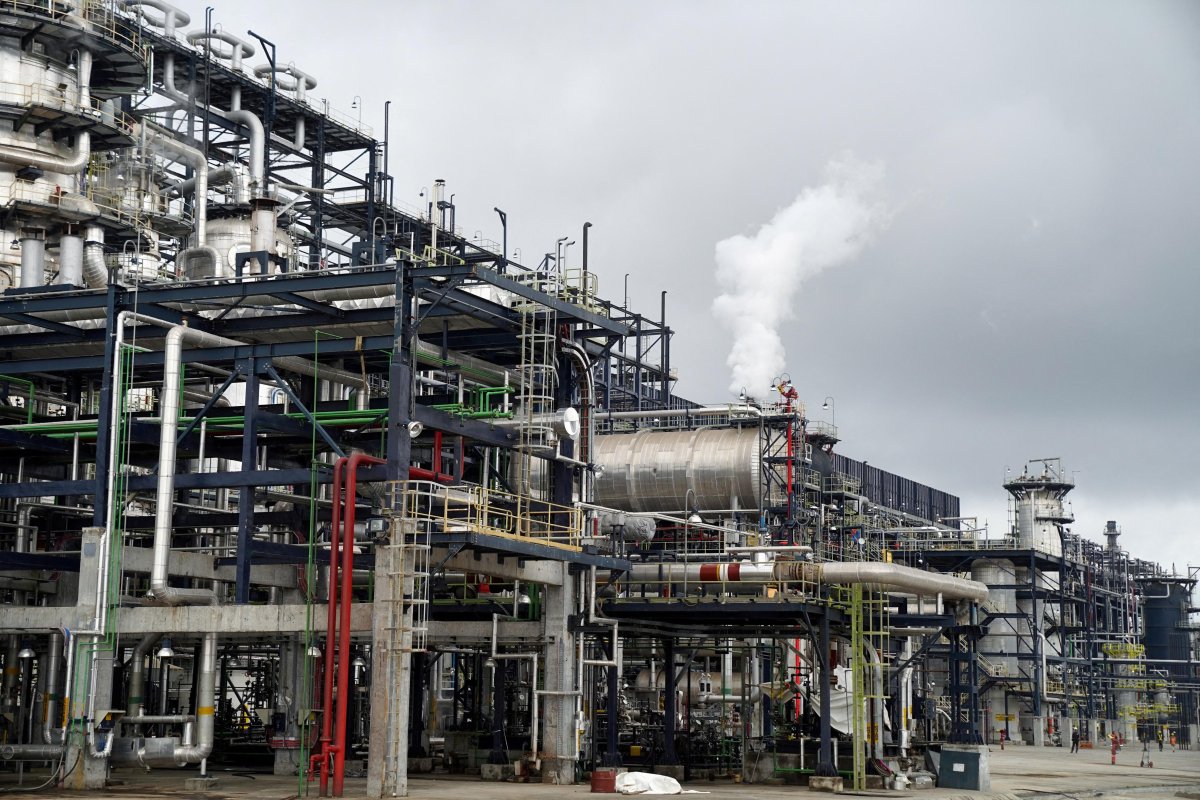
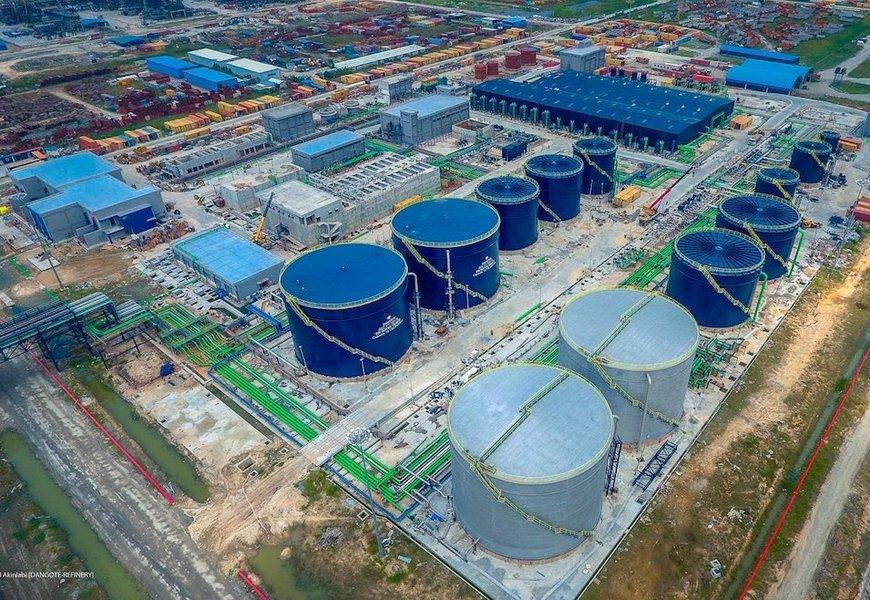
Located in the Lekki Free Zone in Lagos, Dangote Refinery currently has a crude distillation capacity of 700,000 barrels per day. The company says its expansion pathway will take that figure to 1.4 million barrels per day, placing the facility among the world's largest single-train refining operations.
The expansion is significant for Nigeria because increased domestic refining capacity could help reduce dependence on imported petroleum products while creating greater opportunities for exports across Africa and beyond.
The refinery already produces products including petrol, diesel and aviation fuel, alongside petrochemicals. Its operations have increasingly positioned Nigeria as a supplier of refined petroleum products rather than simply a major crude-oil exporter.
The expansion announcement comes alongside Dangote Refinery's plans to access Nigeria's capital market.
According to Reuters, the proposed IPO aims to raise approximately ₦2.15 trillion ($1.63 billion). The offer is expected to run from September 14 to October 13, 2026, with trading potentially beginning later in November. The initial offer comprises 4.1 billion ordinary shares priced at ₦525 each, with a possible additional allocation if demand is strong.
The planned listing is being positioned as an opportunity for a broader group of investors, including Nigerian retail investors and members of the Nigerian diaspora, to participate in one of Africa's most significant industrial assets.
The planned increase in capacity could have implications beyond the oil industry.
A larger refinery could support Nigeria's energy security by increasing the availability of locally refined petroleum products. It could also strengthen the country's export position and create additional demand across logistics, engineering, manufacturing, marine transportation and other supporting industries.
Dangote's own materials describe the refinery as part of a broader industrial ecosystem incorporating refining, petrochemicals, power, storage, marine infrastructure and logistics.
The company has also expanded its petrochemical operations, including polypropylene production, allowing the business to move further beyond traditional fuel refining into higher-value industrial products.
The $14.3 billion expansion represents a major bet on the future of refining in Nigeria and Africa. If completed as planned, increasing capacity to 1.4 million barrels per day would significantly expand Dangote Refinery's ability to serve both Nigerian and international markets.
The project also comes at a time when global disruptions have highlighted the importance of reliable refining capacity and secure fuel supplies. Dangote's refinery has already increased its role in supplying Nigeria and exporting refined products to international markets.
For Nigeria, the bigger question is how effectively this growing refining capacity can translate into energy security, industrial growth, exports, employment and broader economic value.
For Dangote, the expansion marks another step in its transformation of the refinery from a massive infrastructure project into a major regional energy and petrochemical hub.

Random picks from the trusted NACO network — explore their profiles and equipment.
